
The short answer
- Safety sets the priority: call about a cracked or hanging branch now and keep people away.
- Late winter suits much planned pruning: UT Extension's Master Gardener manual calls the end of winter, just before new spring growth, a good time to prune some trees and shrubs.
- Flowering changes timing: the same manual advises pruning spring-flowering shrubs just after they finish flowering.
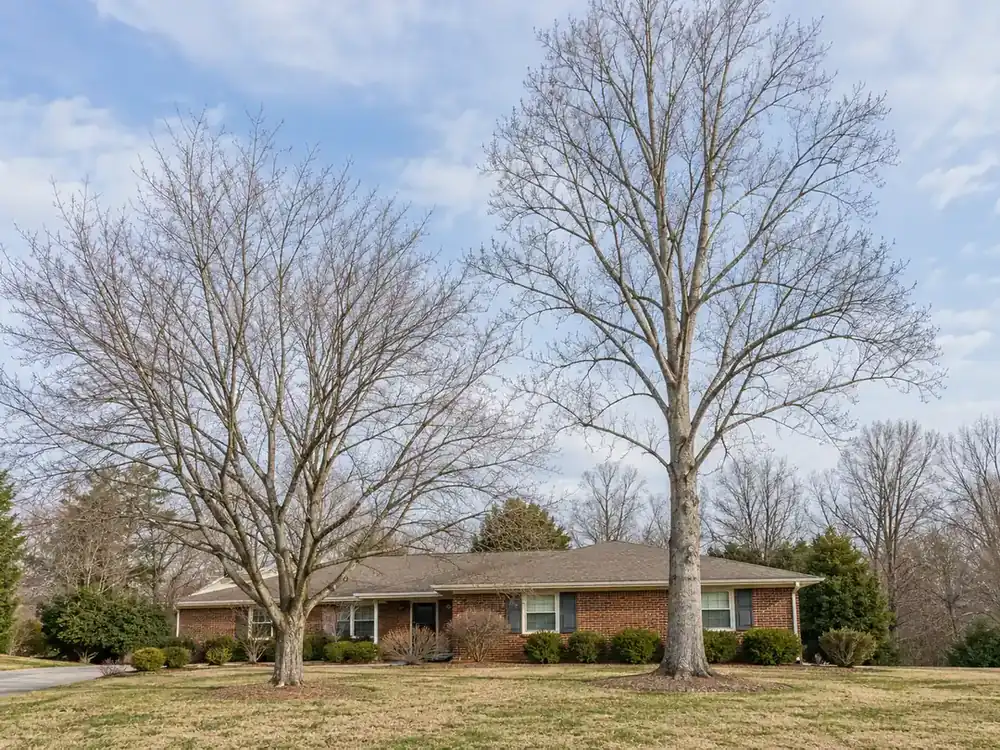
Pruning Seasons Follow Growth and Branch Condition
Planned pruning generally fits the dormant season, while damaged limbs need attention when noticed. Tree trimming time of year also depends on species and the purpose of each cut.
The Dormant Season
Dormancy gives your tree pro a starting point for planning shade-tree work. For an oak, describe heavy limbs over a driveway. For a maple, mention crowded forks, rubbing branches or roof contact. Those observations help define the job without requiring a close inspection.
When pruning trees, the goal should be a specific improvement in clearance or branch structure. Your tree pro can explain which branches need attention and which should remain. A large crown alone doesn't identify a pruning need.
A Seasonal Planning Table
The tree's condition helps determine when trees should be trimmed. The season helps schedule suitable work after that assessment.
| Season or tree condition | Planning direction |
|---|---|
| Late winter to early spring | UT Extension's Master Gardener manual calls the end of winter, just before new spring growth, a good time to prune some trees and shrubs. |
| Spring-flowering plants | UT Extension's manual advises pruning spring-flowering shrubs just after they finish flowering, not in fall or winter. |
| Early summer | For many trees, pruning can be considered after foliage matures; tree trimming in summer still needs a defined purpose. |
| Late summer and fall | UT Extension's manual says fall is not a good time to prune any plant, so routine tree trimming in fall should give way to an assessment of actual needs. |
Deciding when to trim tree branches starts with their condition. To decide when to trim a tree, weigh the time of year against the branch's condition. Describe the branch problem during the call, including whether a fork has opened or a limb has changed position.
Weak Forks and Evergreen Edges
A visible split in a pear fork calls for an assessment now. The tree pro needs to know where the crack appears and what stands nearby. Share the location of the split from a safe viewpoint; don't move closer to examine the opening.
Pine and cedar need a species-specific plan. On the phone, describe broken sections, bare areas or branches reaching across a fence. Your tree pro will distinguish clearance work from an attempt to reshape the entire tree.
Limbs After Wind or Ice
A broken branch high in a tulip poplar deserves a call in any season. Storm-broken wood needs prompt assessment as a separate concern from routine shaping.
After ice or spring wind, describe any newly hanging poplar limb from a distance. Keep people, pets and vehicles clear. For downed or sagging wires, stay well away and contact the electric utility or 911.
Pruning That Supports Tree Health
Pruning is good for trees when each cut has a clear purpose. According to UT Extension, topping to reduce tree size severely damages a tree's long-term health. Heavy cutting ahead of a forecast storm isn't a substitute for assessing the tree.
The planned work should avoid flush cuts that damage branch collars. Your role is to describe the concern and desired clearance. One of our local tree service partners will explain the proposed work and the factors affecting its price before pruning starts.