
The short answer
- Buried utilities affect safe grinding plans, so utility locating and any private lines must be addressed before work starts.
- Stump width, wood condition, surface roots and the required depth determine how much material needs grinding.
- Narrow gates, multiple stumps and removing the grindings change equipment access, setup and cleanup work.
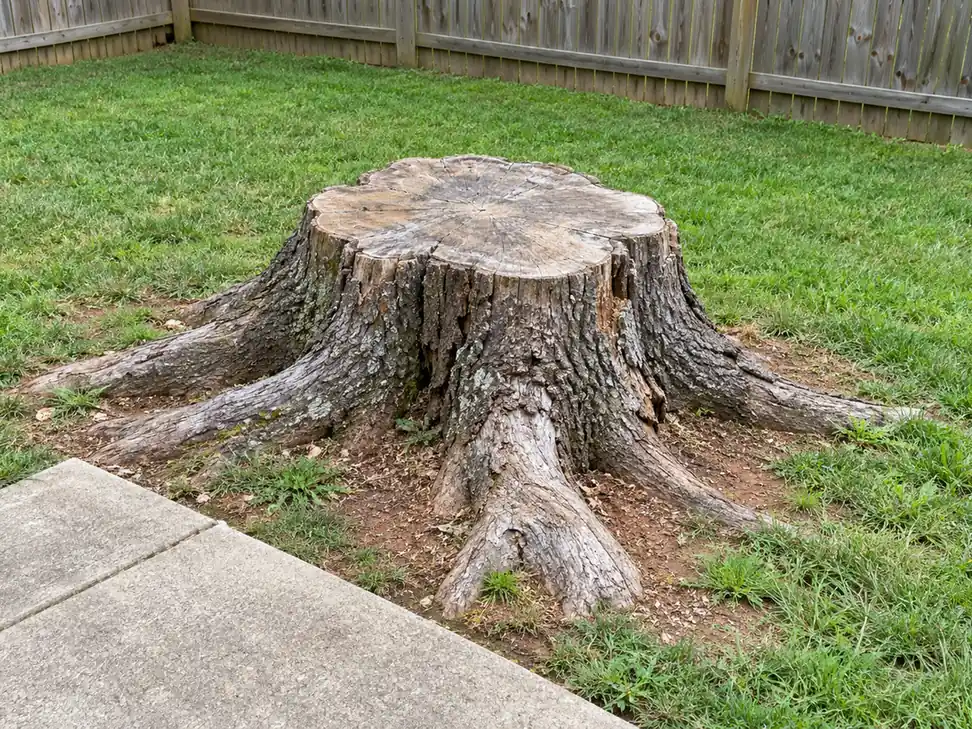
Stump Size, Roots and the Finished Space
Stump removal cost depends on how much wood is being addressed, how equipment reaches it and what happens to the grindings. Grinding an oak stump below lawn level differs from lifting out a stump and its main root mass. Call now to discuss the old tree and the space you want back.
Utility Locating Comes Ahead of Grinding
Utility locating is part of planning the work, even when the stump appears clear of buildings. A normal Tennessee 811 locate request needs at least three working days' notice (72 hours, excluding weekends and holidays), made by calling 811 or (800) 351-1111 or online; facility operators may not locate or mark private underground facilities.
Your tree pro can discuss the locate arrangements during the service call. The notice period applies ahead of ground work, so there's no reason to delay calling about the stump.
Private irrigation, buried pet fences and lines to outbuildings also need attention. Describe known private lines during the call so locating them is included in the plan.
How Wood Type Changes the Grinding Job
Wood hardness and condition affect the grinding effort. Harder woods can slow grinding. A red or silver maple isn't the same material as a sugar maple. Species helps frame the job, but doesn't set the price by itself.
From an ordinary standing position, notice the stump's spread at ground level and any roots visible above the grass. An oak's broad base may involve more wood than its cut top suggests. Call about a poplar stump occupying a planting bed or maple roots interrupting a mowing route. You don't need to identify the species accurately to start the conversation.
Age matters through condition. Tell your tree pro roughly when the tree came down, if you know. A weathered surface doesn't show how sound the wood remains below it. Don't probe, break apart or uncover the stump to gather details.
Width, Roots and Grinding Depth
The amount of wood below the intended finish level helps explain stump grinding prices. Include surface roots in the discussion rather than assuming that every visible root disappears with the stump. Depth should match the intended use of the area and the conditions underground.
| Scope detail | Why it matters |
|---|---|
| Wide base or flared roots | More material within the grinding area |
| Several separate stumps | More grinding locations and repositioning |
| Surface roots across lawn | Additional work beyond the central stump |
| Deeper planned grind | More wood and soil mixed into the grindings |
| Narrow gate or steps | Limits on machine access |
| Chips hauled away | Loading and disposal added to the scope |
Access and the Material Left Behind
Gate width, slopes and the route across the yard affect machine choice and handling. Describe a narrow side passage or steps during the call. Any access measurements needed for equipment planning can be discussed with your tree pro.
Grinding leaves a mixture of wood chips and soil. Raking the material back, leaving a pile and hauling it away are different finishes. Discuss whether soil, grading or lawn restoration is included separately; removing a stump doesn't automatically include a finished planting bed.
Grinding Alongside Removal or Full Extraction
Grinding at the same visit as tree removal may reduce separate setup, but access, locates and machinery still determine the plan. Ask to include the stump when discussing tree removal rather than assuming it is part of cutting down the tree.
Grinding reduces the stump in place and generally leaves deeper roots. Full extraction lifts out the stump and main root mass, involving more digging and soil disturbance. One of our local tree service partners will outline the method, depth and cleanup with the price before the job starts.
Keep people, pets and vehicles clear if the stump job also involves a leaning tree or cracked or hanging branches. Assume sagging or fallen wires are live, remain well away and report them to the address's electric utility or 911. Share photos only when they can be taken from a safe distance.